Engineering with TypeScript
What is TypeScript and why does SKN IT use it?
TypeScript is a strongly typed superset of JavaScript that adds static types, helping developers find and fix errors before the code runs.

Why TypeScript matters.
TypeScript provides a layer of safety on top of JavaScript, allowing developers to define exactly what kind of data is flowing through an application. This leads to better code quality, fewer runtime bugs, and much more reliable refactoring, making it indispensable for large-scale enterprise projects.
Why SKN IT chooses TypeScript
Core Benefits
Early Error Detection
Catches type-related bugs during development rather than in production.
Enhanced IDE Support
Provides superior autocompletion, refactoring, and navigation.
Better Documentation
Types provide clear, machine-verified descriptions of data structures.
Enterprise Scalability
Makes collaborating on large codebases safer and more efficient.
Featured TypeScript Projects
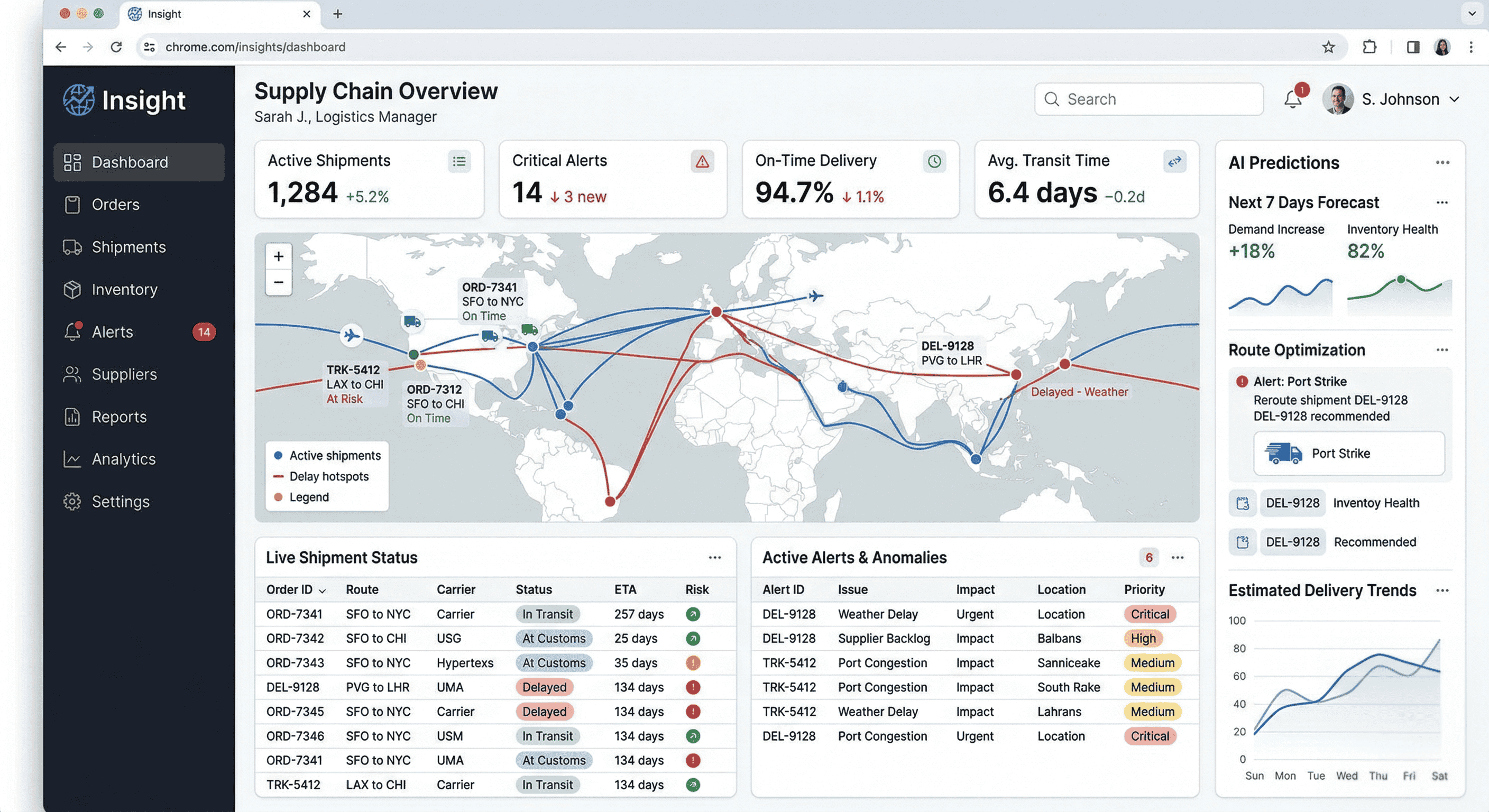
logistics ai tracker
A massive, type-safe enterprise logistics engine where TypeScript ensures data integrity across millions of events.
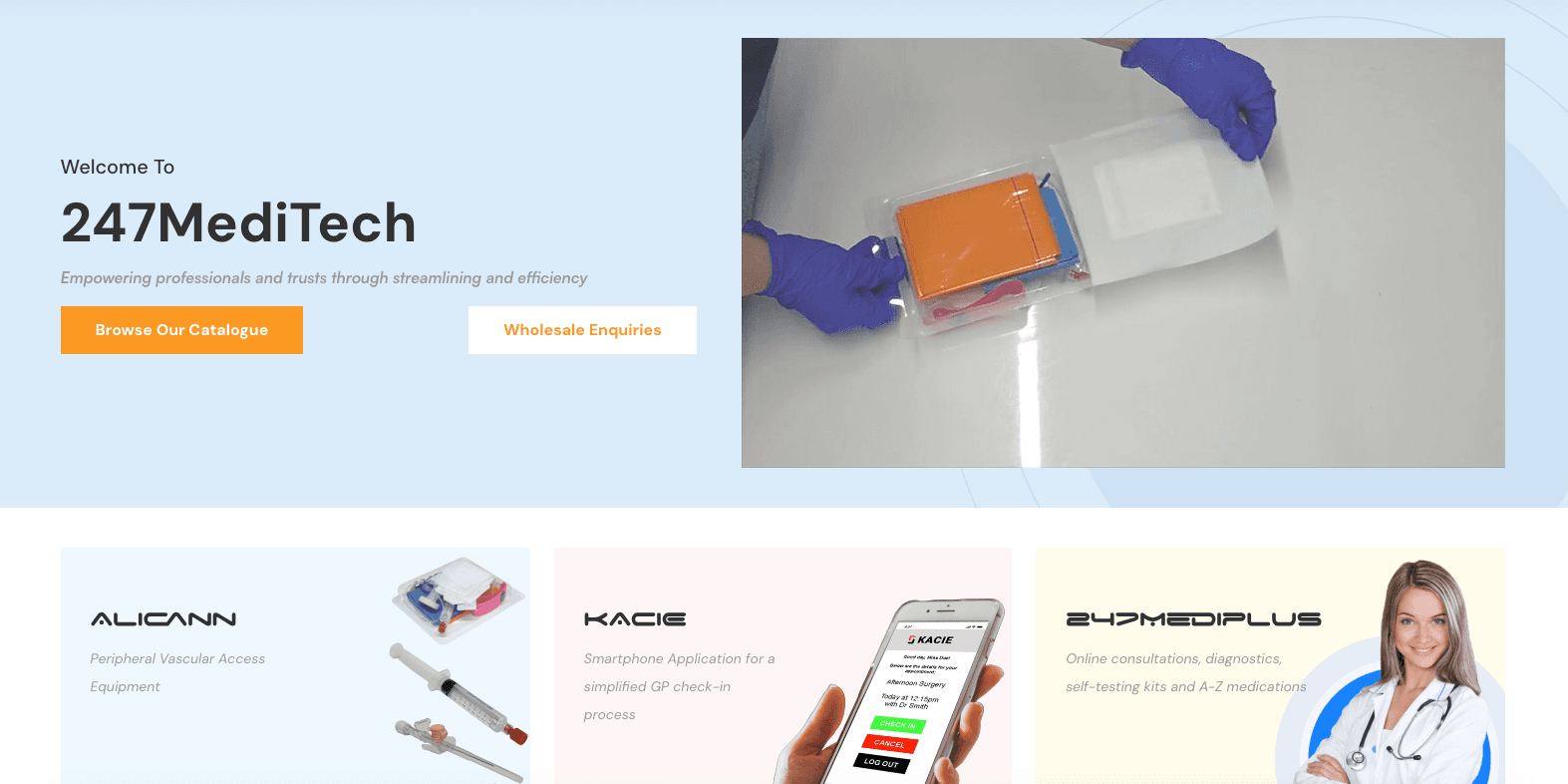
meditech healthcare platform
A healthcare platform where TypeScript eliminates runtime errors in mission-critical medical record flows.
Tech Stack Comparisons
Understanding when TypeScript is the right choice for your architecture.
| Strategic Feature | Why we use TypeScript | Issues with Raw JavaScript |
|---|---|---|
| Runtime Reliability | Risk Mitigation: Catches 99% of preventable logic errors during development, before they ever reach your customers. | High Failure Rate: Bugs are often only discovered by users in production, leading to unexpected platform downtime. |
| Maintenance ROI | Self-Documenting: Clear data structures act as a live manual, ensuring your app remains easy to upgrade as you scale. | Technical Debt: As apps grow, they become 'brittle'—changing one line often breaks another, making updates slow and risky. |
| Engineering Efficiency | Fast Refactoring: Automates 90% of manual code checks, allowing us to ship complex business features with absolute confidence. | Manual Toil: Engineers spend 20-30% of their time manually verifying data shapes and debugging avoidable logic errors. |
| Team Continuity | Instant Context: New developers understand the data flow in hours, guaranteeing your project velocity never drops. | Reverse Engineering: Onboarding requires 'archaeology' to understand old logic, leading to high friction and lost productivity. |
| Strategic Longevity | Enterprise Standard: Built for long-term stability and perfect compatibility with modern industry standards. | Scaling Wall: Plain JS apps eventually become 'un-maintainable monsters' that require a total, expensive rewrite. |
Common Questions
Technical and business considerations for TypeScript projects.
Does TypeScript make the final website slower?
No. TypeScript is strictly for development. It is compiled into clean JavaScript before being served to users, so there is no performance penalty on the frontend.
Can we migrate an existing JavaScript project to TypeScript incrementally?
Yes. We often use a 'soft migration' strategy where we enable TypeScript for new files while gradually converting existing ones. This allows for immediate safety gains without halting feature development.
Does TypeScript improve development for larger teams?
Significantly. Types act as a machine-verified contract between different parts of the system. This allows developers to understand and interact with each other's code with 100% confidence, even in massive codebases.
Can TypeScript catch bugs at runtime?
TypeScript itself is a compile-time tool. However, at SknIt, we pair it with validation libraries like Zod to ensure that data coming from external APIs matches our TypeScript interfaces at runtime, providing end-to-end safety.



Have a Project in Mind?
Let's discuss how we can help you achieve your goals. Book a free consultation call with our team and get a no-obligation project estimate within 48 hours.