Engineering with Node.js
What is Node.js and why does SKN IT use it?
Node.js is an open-source, cross-platform JavaScript runtime environment that executes JavaScript code outside a web browser, ideal for building scalable network applications.

Why Node.js matters.
Built on Chrome's V8 JavaScript engine, Node.js uses an event-driven, non-blocking I/O model that makes it lightweight and efficient. It allows developers to use JavaScript for both front-end and back-end development (Full Stack JS), which streamlines the development process and minimizes context switching.
Why SKN IT chooses Node.js
Core Benefits
High Performance
V8 engine provides incredibly fast execution speeds.
Scalability
Easily handles thousands of concurrent connections with minimal overhead.
Huge Package Ecosystem
Access to NPM, the world's largest software registry.
Real-time Capabilities
Excellent support for WebSockets and real-time data streaming.
Featured Node.js Projects
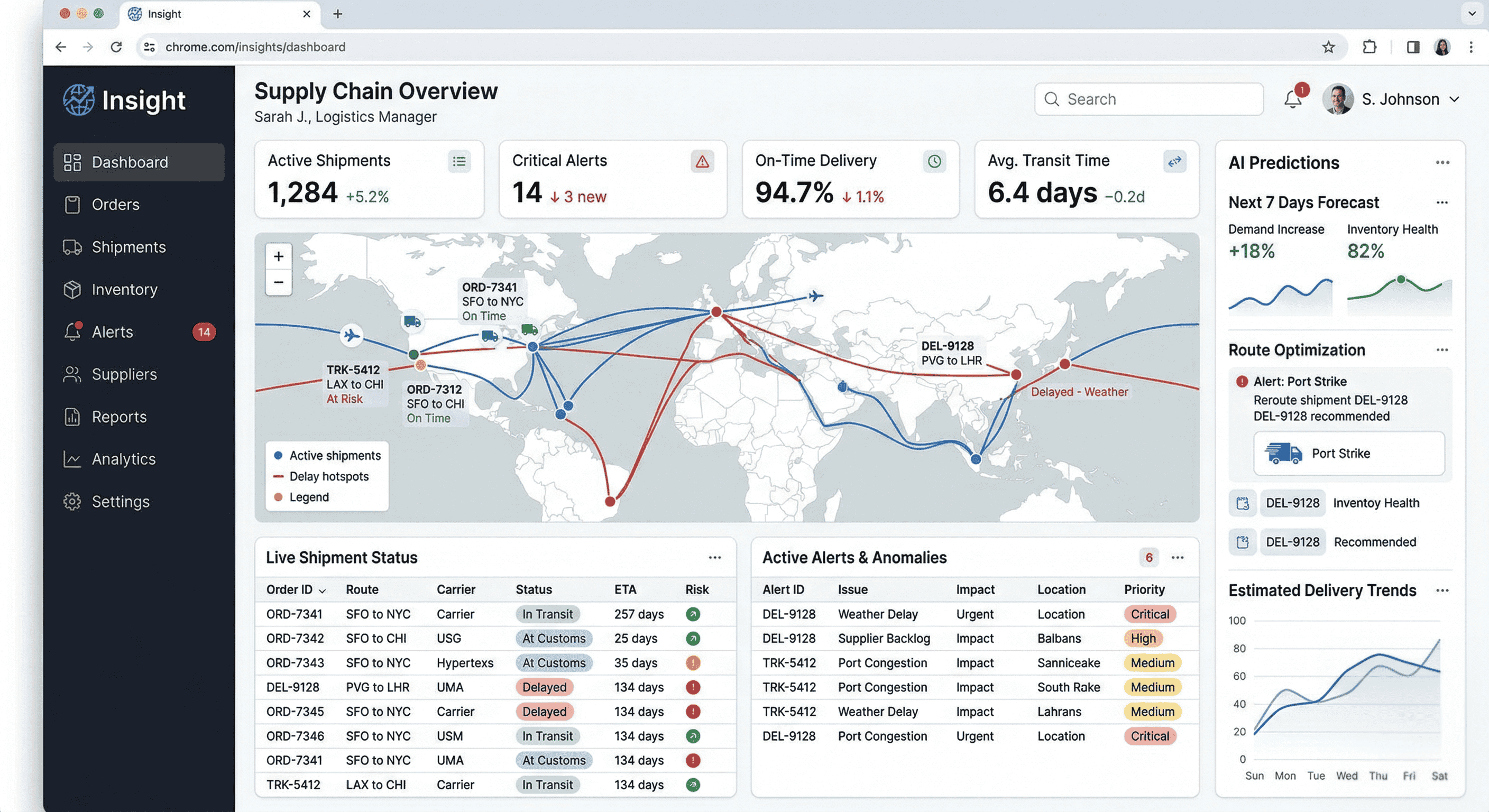
logistics ai tracker
An enterprise AI tracking engine built on Node.js and NestJS, capable of ingesting and analyzing millions of global logistics events in real-time.

meditech healthcare platform
A high-availability healthcare backend powered by Node.js, ensuring secure and rapid data flow for medical practitioners.

edustream learning platform
Scalable Node.js media backend processing massive video streams and real-time student interaction data.
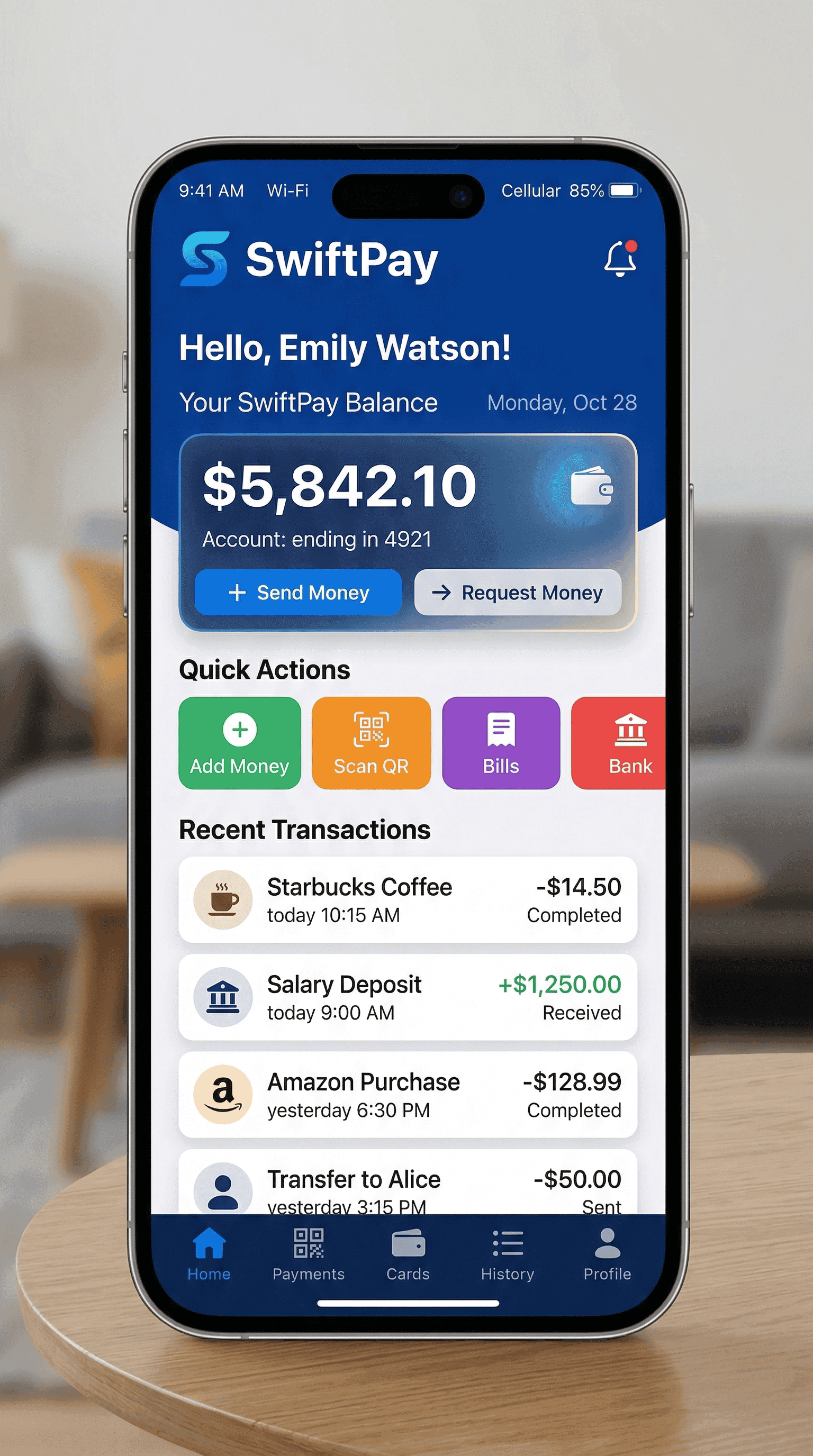
swiftpay fintech wallet
High-security financial backend built with Node.js and NestJS, ensuring 100% transaction integrity for a mobile wallet.
Tech Stack Comparisons
Understanding when Node.js is the right choice for your architecture.
| Strategic Feature | Why we use Node.js | Issues with PHP | Issues with Django (Python) |
|---|---|---|---|
| Infrastructure Profit | Lean: High-concurrency event loop allow us to serve 10x more customers on 50% cheaper hardware. | Wasteful: Process-per-connection model forces you to pay for oversized servers to handle traffic spikes. | Heavy: Python's memory footprint leads to earlier scaling limits and significantly higher cloud infrastructure bills. |
| Feature Agility | High: Unified JS/TS stack allow our engineering team to move 25% faster with fewer cross-stack bugs. | Slowed: Constant context switching between JS and PHP mental models creates friction and slows down releases. | Redundant: Business models often have to be redefined separately in Python and JS, doubling the surface area for errors. |
| Real-Time Capability | Native: Direct support for live tracking and chat makes building interactive business tools fast and stable. | Fragile: Primarily built for static page refreshes; real-time features are complex, unstable, and prone to failure. | Overhead: Threading overhead in Python degrades the performance and reliability of live data streams at scale. |
| Talent Pipeline | Secure: Access to 10M+ JavaScript developers worldwide ensures your project never stalls due to hiring issues. | Aging: Most top talent is shifting away from legacy PHP toward modern JS frameworks, making hiring difficult. | Academic Focus: While strong in AI, web-specific Python engineering experts are rarer and more expensive than JS experts. |
| Strategic Alignment | Ideal: Best for high-growth startups and enterprises needing real-time performance and full-stack consistency. | Legacy Only: Best for maintaining older sites or extremely simple, static CMS installations. | Data First: Best for projects where complex AI or heavy machine learning is the core requirement. |
Common Questions
Technical and business considerations for Node.js projects.
Is Node.js secure enough for financial applications?
Yes, when following industry-best security practices. We implement enterprise-grade security layers, including rate limiting, helmet.js, and strict validation to ensure data integrity.
How does Node.js handle thousands of concurrent users if it's 'single-threaded'?
Node.js uses an asynchronous event-driven architecture. While it executes JavaScript on a single thread, it offloads heavy I/O operations (like database queries) to the system kernel or a thread pool, allowing it to handle many connections simultaneously without blocking.
Is Node.js suitable for CPU-heavy tasks like data processing?
Node.js is optimized for I/O-intensive tasks. For CPU-heavy work, we leverage 'Worker Threads' or offload processing to specialized microservices, ensuring the main event loop remains responsive for user requests.
Why choose Node.js over PHP or Python for a backend?
The main advantages are speed (V8 engine), real-time capabilities (WebSockets/Socket.io), and the efficiency of having a single-language stack (JavaScript/TypeScript) from frontend to backend, which simplifies development and maintenance.
How do you ensure 99.9% uptime for Node.js servers?
We use process managers like PM2 and containerization with Kubernetes or AWS ECS. These systems automatically monitor the health of the Node.js processes and restart or scale them as needed to ensure constant availability.


Have a Project in Mind?
Let's discuss how we can help you achieve your goals. Book a free consultation call with our team and get a no-obligation project estimate within 48 hours.