Engineering with MongoDB
What is MongoDB and why does SKN IT use it?
MongoDB is an industry-leading NoSQL database that stores data in flexible, JSON-like documents, making it ideal for rapidly evolving applications.
Why MongoDB matters.
MongoDB is built for scalability and flexibility. Its document model is natural for developers to work with, as it mirrors the way objects are represented in application code (like JavaScript). This schema-less approach allows for rapid iteration and the handling of massive volumes of diverse data.
Why SKN IT chooses MongoDB
Core Benefits
Flexible Schema
Allows for rapid changes to data structures without downtime.
Scalability
Native support for horizontal scaling through sharding.
High Availability
Built-in replication ensures data is always accessible.
Rich Query Language
Powerful aggregation framework for complex data analysis.
Featured MongoDB Projects
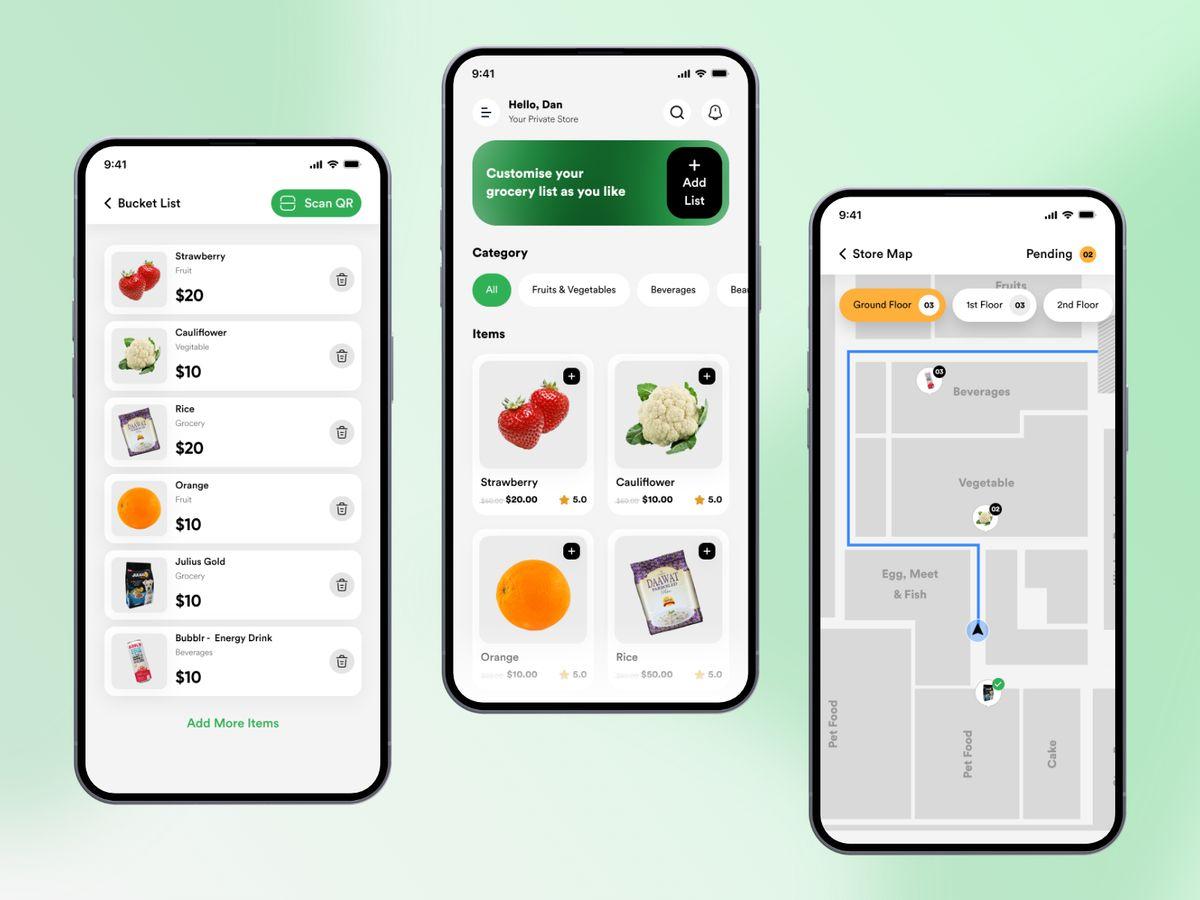
freshcart ecommerce app
A high-performance grocery delivery app utilizing MongoDB for dynamic product catalogs and real-time delivery tracking.
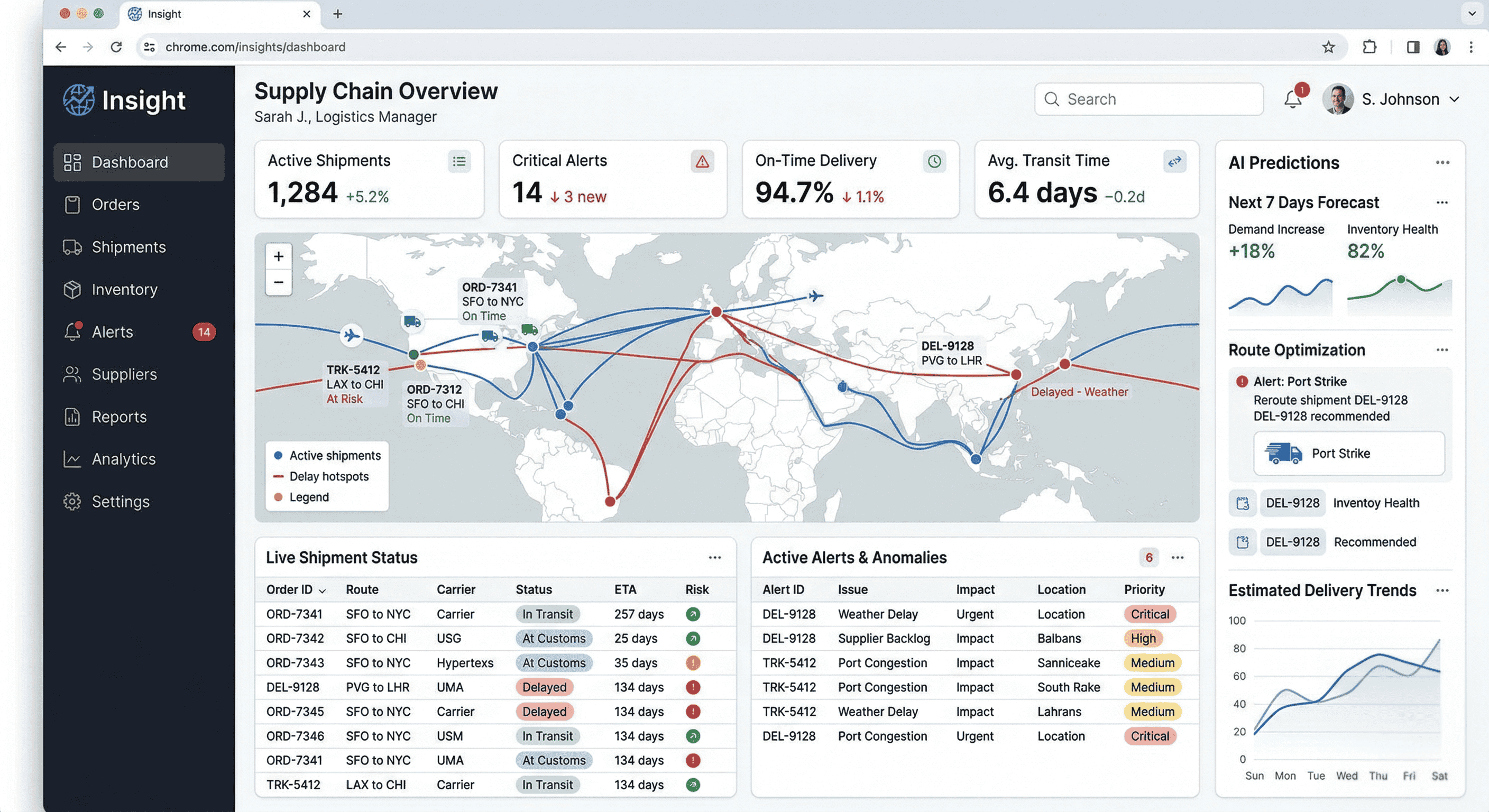
logistics ai tracker
An enterprise tracking engine where MongoDB handles millions of daily telemetry events with effortless horizontal scale.
Tech Stack Comparisons
Understanding when MongoDB is the right choice for your architecture.
| Strategic Feature | Why we use MongoDB | Issues with DynamoDB | Issues with Firestore |
|---|---|---|---|
| Query Flexibility | Unrestricted: Rich aggregation framework allows for complex business analytics without expensive data re-modeling. | Rigid: Searching by any field other than a 'Primary Key' is complex, slow, and can lead to unexpected 'Scan' costs. | Basic: While fast for simple lookups, complex multi-field filtering often requires massive manual code workarounds. |
| Strategic Freedom | Multi-Cloud: Deploy anywhere (AWS, GCP, Azure, or On-prem) to avoid high-cost vendor lock-in as you scale. | Total Lock-in: Permanently tied to AWS infrastructure, making it impossible to migrate or leverage multi-cloud benefits. | Platform-Specific: Strictly bound to the Google ecosystem, limiting your future architectural and pricing choices. |
| Data Architecture | Seamless: Native support for complex objects mirrors modern code, speeding up development cycles by 30%. | Flat Logic: Managing complex relational-like data usually requires fragmenting models, leading to higher bug rates. | Depth Limits: Heavy nesting and complex collection hierarchies can become a bottleneck for data retrieval speed. |
| Cost Predictability | Scalable: Transparent Atlas pricing ensure you pay for usage, not for complex 'Capacity Unit' management. | Volatile: Costs can spike unexpectedly due to 'Read/Write Capacity' limits and expensive ad-hoc queries. | Transactional: Pay-per-document-read model can lead to massive surprise bills during heavy data listing or analytics. |
| Strategic Fit | High-Growth: The top choice for rapidly evolving startups and enterprise catalogs that need to pivot fast. | Niche Use: Best for very specific, ultra-high-throughput key-value lookups where flexibility isn't needed. | Prototyping: Ideal for small mobile experiments, but clunky and expensive for large, complex enterprise datasets. |
Common Questions
Technical and business considerations for MongoDB projects.
When should I choose MongoDB over Postgres?
Choose MongoDB when your data structure is fluid, unstructured, or requires extreme horizontal scaling that relational databases might struggle with.
How does MongoDB handle large-scale data sets?
MongoDB uses a process called 'sharding' to distribute data across multiple servers. This allow our applications to handle almost unlimited growth in data volume and traffic without sacrificing performance.
Is it difficult to handle relationships in a NoSQL database?
It's different but not difficult. We use strategies like document embedding and tactical referencing to ensure data is retrieved efficiently while maintaining the necessary logical relationships.
What are the benefits of using MongoDB Atlas?
Atlas is a fully managed cloud database. It provides us with automated backups, enterprise-grade security, and multi-region scalability, allowing us to focus on building features rather than managing infrastructure.


Have a Project in Mind?
Let's discuss how we can help you achieve your goals. Book a free consultation call with our team and get a no-obligation project estimate within 48 hours.