Engineering with PostgreSQL
What is PostgreSQL and why does SKN IT use it?
PostgreSQL is the world's most advanced open-source relational database, known for its proven reliability, data integrity, and support for complex queries.

Why PostgreSQL matters.
Postgres is a powerful, object-relational database system that has been in active development for over 30 years. It supports both SQL (relational) and JSON (non-relational) queries, making it one of the most versatile databases for modern application development.
Why SKN IT chooses PostgreSQL
Core Benefits
ACID Compliance
Guarantees reliable data transactions and integrity.
Extensibility
Support for custom types, functions, and powerful extensions like PostGIS.
Performance
Advanced query planner and support for complex indexing.
Hybrid Capability
Excellent handling of both SQL and JSON-style data.
Featured PostgreSQL Projects
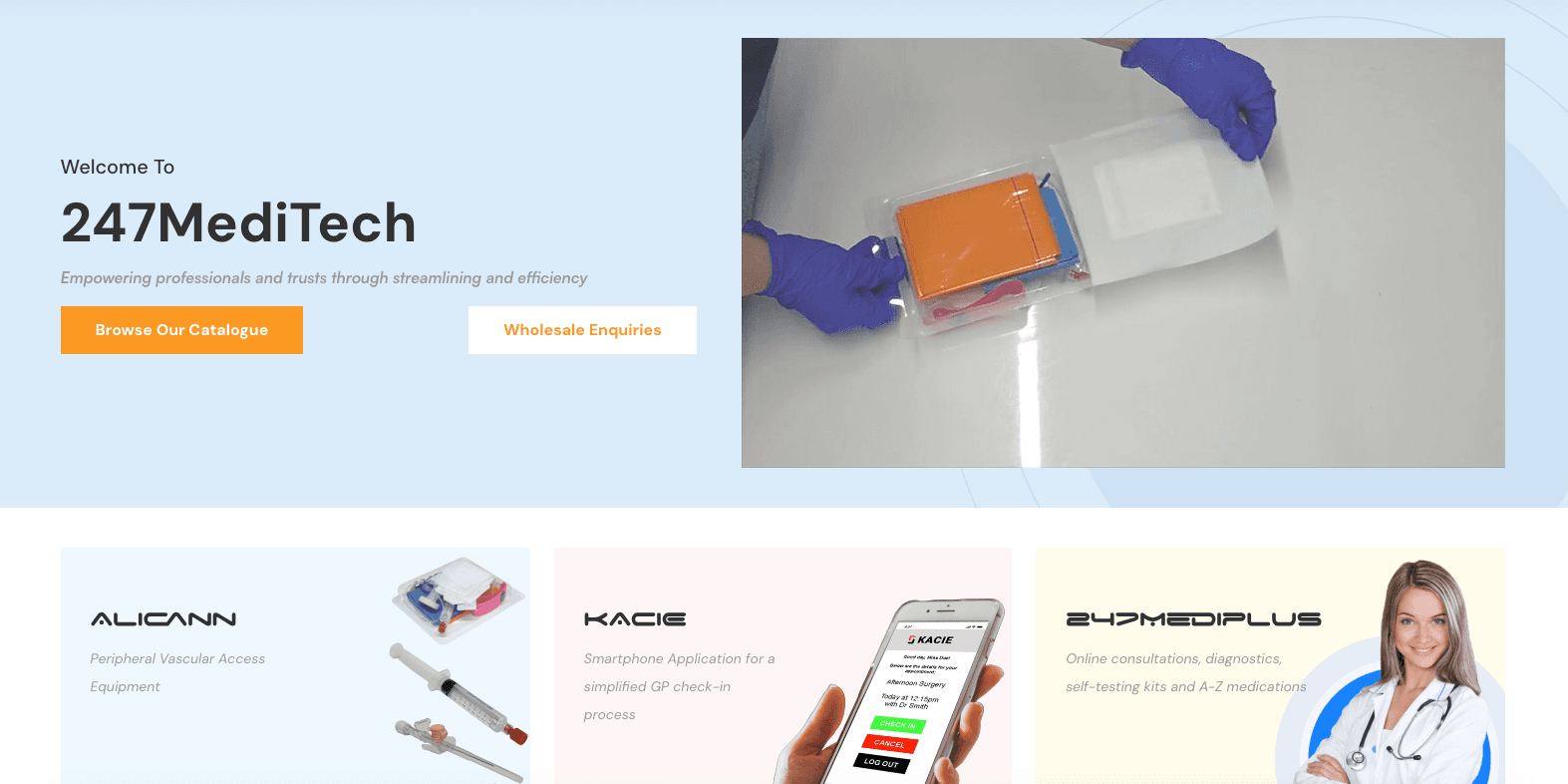
meditech healthcare platform
A secure healthcare database where PostgreSQL ensures ACID compliance for thousands of mission-critical patient records.

finova cloud migration
Enterprise-grade AWS RDS PostgreSQL deployment supporting high-frequency financial migrations.
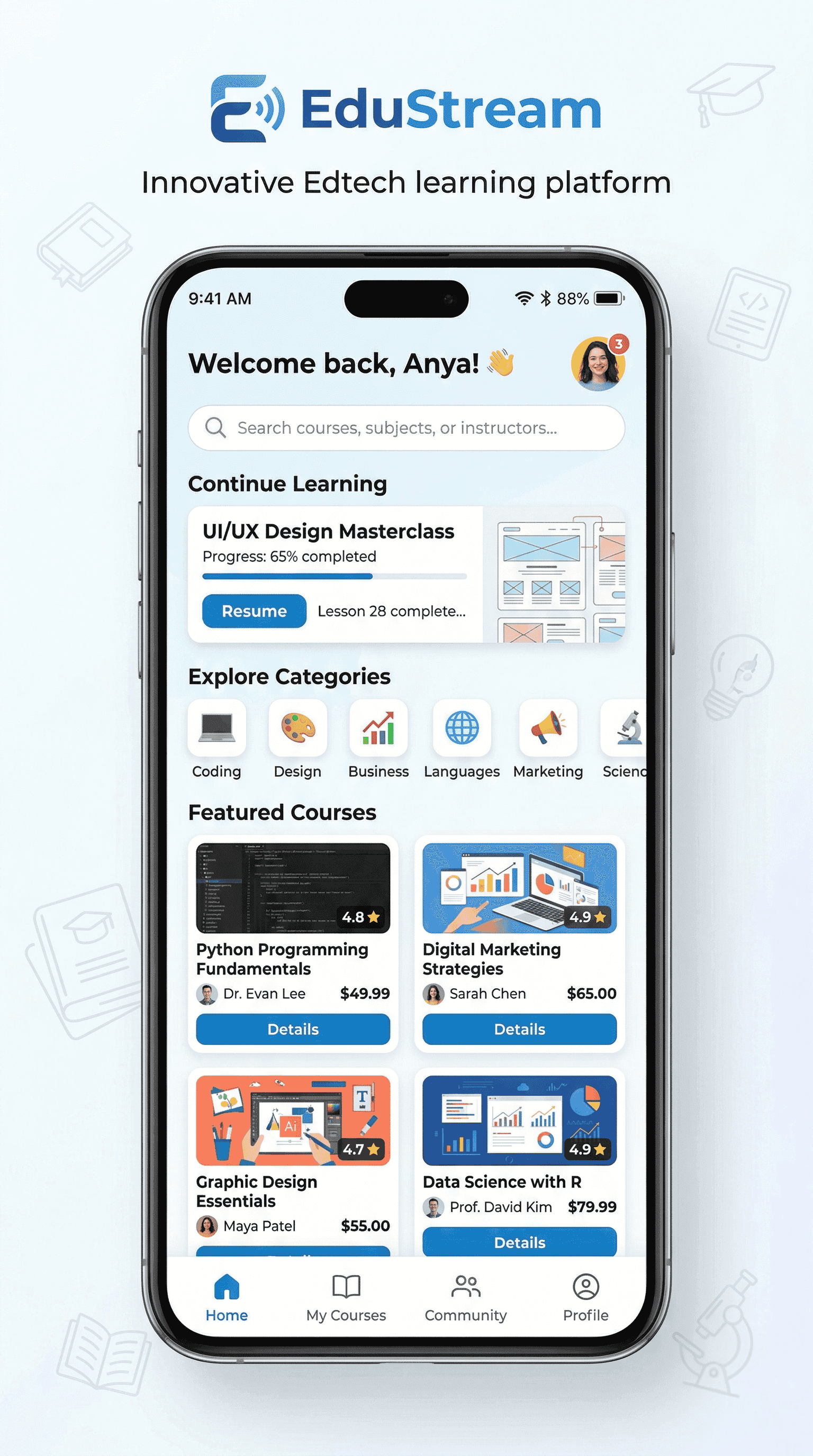
edustream learning platform
High-frequency student data storage system using advanced PostgreSQL indexing for real-time progress tracking.
Tech Stack Comparisons
Understanding when PostgreSQL is the right choice for your architecture.
| Strategic Feature | Why we use PostgreSQL | Issues with MySQL |
|---|---|---|
| Data Integrity | Absolute Safety: Advanced ACID compliance and strict typing ensure your financial and user data never gets corrupted. | Variable: Legacy engines and default settings can allow 'silent data truncation,' leading to critical accounting errors. |
| Complex Data Power | Future-Ready: Built-in JSONB support allows us to handle structured and unstructured data with the speed of a NoSQL database. | Limited: JSON is a secondary feature; performing complex analytics on mixed data is significantly slower and harder to maintain. |
| High-Concurrency Load | High Performance: Advanced concurrency control (MVCC) ensures your app stays fast even with 10k+ simultaneous global writes. | Locking Bottlenecks: Heavy write operations often 'lock' parts of the database, causing your application to lag or timeout. |
| Feature Richness | All-in-One: Native full-text search and geospatial data (PostGIS) eliminate the need for expensive external search services. | Basic: Often requires additional external tools (like ElasticSearch) just to handle features that PostgreSQL has built-in. |
| Strategic Alignment | Professional Standard: The default choice for fintech, e-commerce, and any app where data is the core business asset. | Legacy Focus: Best for simple, read-heavy blogs or legacy CMS platforms where data complexity is minimal. |
Common Questions
Technical and business considerations for PostgreSQL projects.
How does Postgres handle high-traffic applications?
Through advanced features like connection pooling, read replicas, and partitioned tables, Postgres can scale to handle millions of transactions per second.
When should we use Postgres JSONB instead of a NoSQL database?
We recommend Postgres JSONB when you need the flexibility of NoSQL but still require the relational consistency and complex querying power of a SQL database. It's often the 'best of both worlds' for modern apps.
What is ACID compliance and why does it matter for my business?
ACID compliance ensures that every database transaction is processed reliably. For businesses handling financial data or mission-critical records, this is non-negotiable as it prevents data corruption and loss.
Can I migrate my existing data from MySQL or SQL Server to Postgres?
Yes. We have extensive experience performing zero-downtime migrations between SQL engines, ensuring your data is transformed safely and your application stays online throughout the switch.


Have a Project in Mind?
Let's discuss how we can help you achieve your goals. Book a free consultation call with our team and get a no-obligation project estimate within 48 hours.