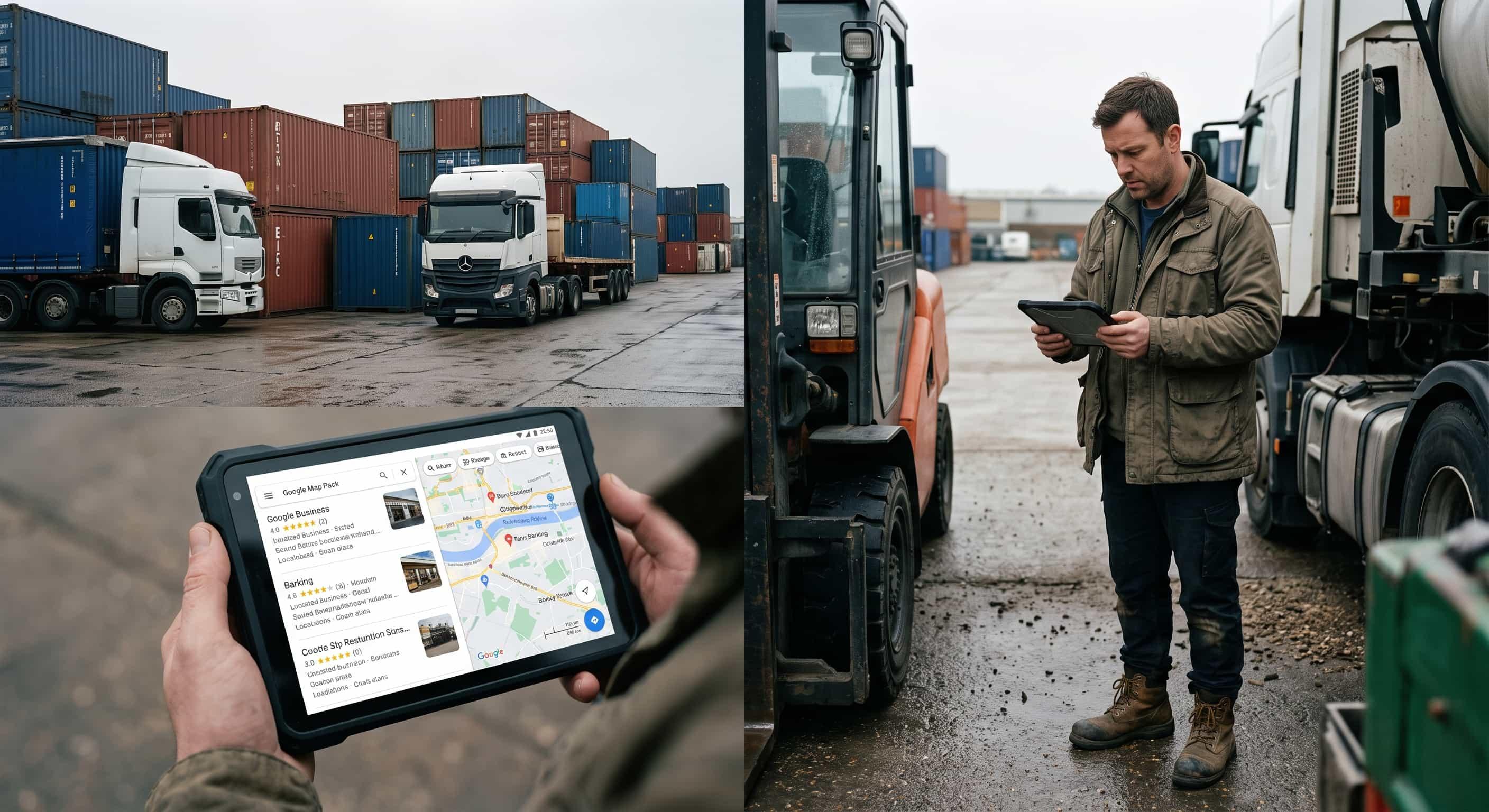
Custom Logistics Software vs Excel: Time to Upgrade? | East London
Is your Dagenham or Barking logistics business outgrowing spreadsheets? Discover the signs it's time to upgrade from Excel to bespoke software to scale operations.

Custom Software vs. Excel: When Dagenham Logistics Firms Need to Upgrade
Every successful logistics and haulage firm in East London starts the same way: a few delivery vans, a core group of reliable drivers, and Microsoft Excel.
For a scaling operation based along the A13 corridor in Dagenham or Barking, Excel is an incredible tool. It’s cheap, flexible, and everyone knows how to use it. You can track driver shifts, log fuel receipts, and manage client manifests all within a single workbook.
But as your fleet grows from 5 vehicles to 25, or your warehouse space in Ilford expands to handle complex multi-drop contracts, those trusted spreadsheets start to groan under the pressure.
Suddenly, a broken macro stalls your morning dispatch. A typo in cell B14 causes a driver to miss a critical delivery window at the London Gateway. A spreadsheet version mismatch means your finance team is billing based on outdated fuel surcharges.
When your business operations rely entirely on manual data entry, you aren't just managing inventory—you are managing risk. Here is how to identify when Excel has evolved from an administrative asset into a operational bottleneck, and why moving to custom software is the highest-ROI decision your business can make this year.
The Hidden Costs of Staying on Spreadsheets
When considering an operational upgrade, many managing directors look purely at the upfront licensing costs of new technology vs the "free" nature of Excel. This is a false economy. The real cost of Excel shows up in lost hours, human error, and missed growth opportunities.
1. The Single Point of Failure (The "Excel Guru" Trap)
In many East London transport offices, there is one person—often a founder or an operations manager—who built the master spreadsheet. They know how the VLOOKUPs work, how the macros tie together, and what to do when it crashes. If that person calls in sick or leaves the company, your entire scheduling system is effectively locked. Custom software removes this vulnerability by centralizing business logic into an intuitive interface that any team member can navigate.
2. Zero Real-Time Visibility
Excel is historical, not live. When a client calls your office in Barking Riverside asking for an urgent update on a consignment, your team has to call the driver, check a physical manifest, or wait for an end-of-day sheet update. In modern supply chains, clients demand real-time answers. Custom applications allow for instant updates, live tracking, and automated client notifications.
3. Data Silos and Double Entry
Are your dispatchers typing data into Excel, while your billing team types the exact same data into Sage or Xero? Double entry wastes hundreds of hours per year and doubles the chance of data corruption.
4. Signs Your Logistics Firm Has Outgrown Excel
If your operations are experiencing any of the following pain points, you have reached the limits of what spreadsheets can safely handle:
File Corruption and Slow Loading: Your master operational sheets take minutes to open, freeze constantly, or display the dreaded "Read-Only" warning because someone else in the office has it open.
Compliance and Audit Anxiety: You cannot easily track who changed a delivery status, deleted a customer record, or altered an invoice amount. For modern logistics firms trying to maintain FORS (Fleet Operator Recognition Scheme) or ISO certifications, this lack of an audit trail is a major compliance risk.
Driver Communication Breakdown: Office staff are texting or emailing route changes to drivers, leading to miscommunications, missed pick-ups, and frustrated clients across Ilford and Dagenham.
Inability to Scale: You are turning down new contracts because your administrative team cannot handle the volume of manual data entry required to onboard them.
The Custom Software Advantage: Built Around Your Workflows
When logistics businesses decide to upgrade, they typically look at two options: off-the-shelf software or bespoke custom software.
Off-the-shelf logistics platforms often force you to change how your business runs to fit their pre-built framework. They also come with expensive monthly per-user licensing fees that punish your bottom line as your team grows.
Bespoke App Development or Web Development means the software adapts completely to your existing, proven workflows. It addresses the exact bottlenecks your team faces daily.
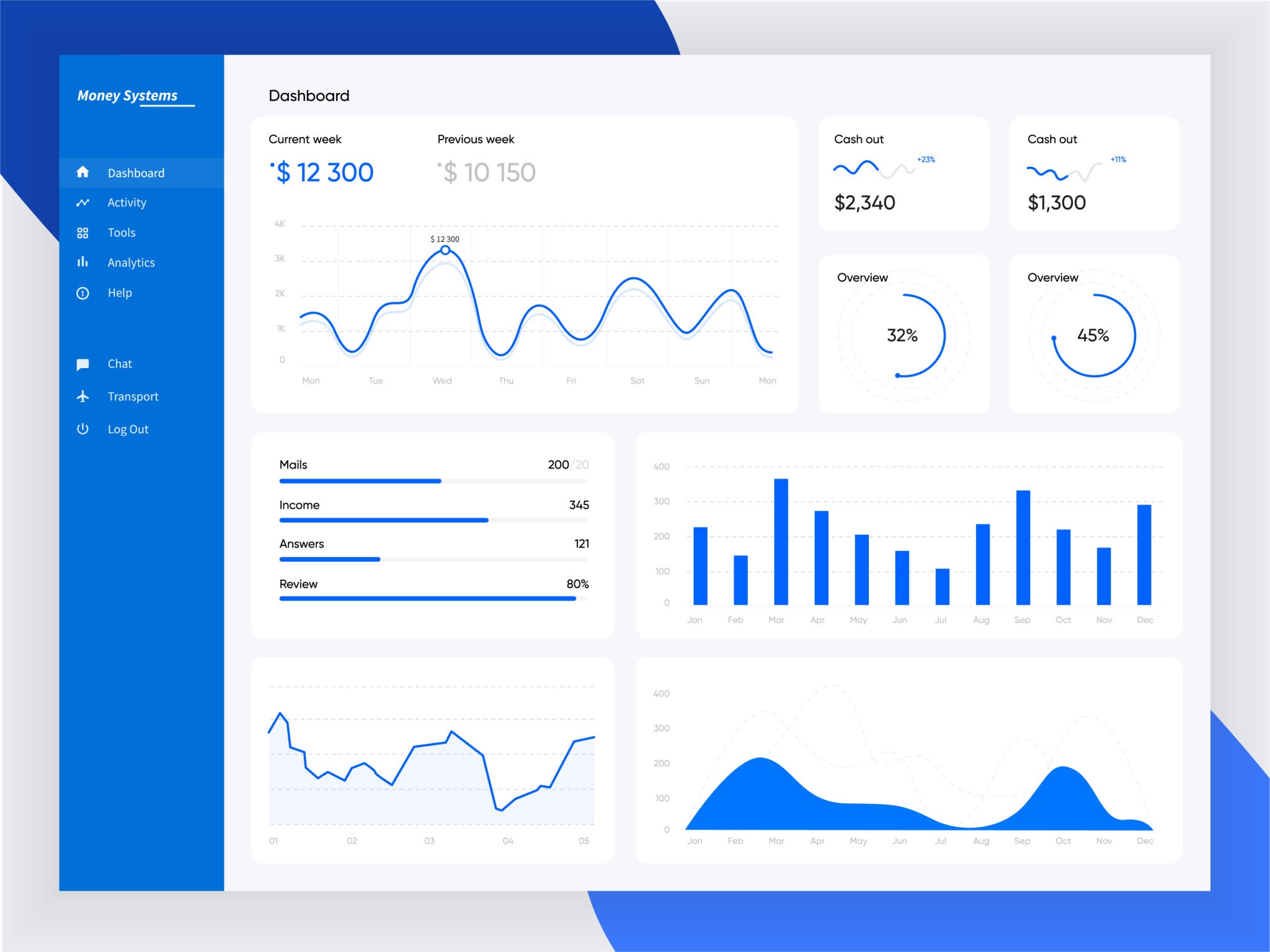
Look at how a unified dashboard transforms daily operations compared to a standard spreadsheet matrix:
Feature | Microsoft Excel / Spreadsheets | Custom Logistics Platform |
Manual entry / Batch updates | Live, real-time sync via Cloud Solutions | |
Driver Integration | Text messages, paper manifests | Dedicated mobile driver app with GPS |
System Automation | Minimal (requires brittle macros) | Automated invoicing, route optimization |
Security & Permissions | Password protected (all or nothing) | Role-based access control with full audit logs |
Scalability | Degrades as row counts increase | Built on scalable databases to support unlimited growth |
Real-World ROI: Transitioning from Chaos to Control
Moving away from Excel isn't just about modernizing your office aesthetics; it’s about protecting your margins. Consider a typical 15-vehicle haulage firm operating out of East London:
By automating route scheduling and eliminating double data entry, an office team can save an average of 2 hours per day per staff member. Over a year, that equates to hundreds of reclaimed operational hours that can be spent on customer acquisition and service optimization rather than administrative firefighting.
Furthermore, integrating IoT Solutions like live vehicle tracking and automated temperature monitoring directly into your custom software ensures complete compliance for high-value cold chain or medical transport contracts. This allows you to pitch for premium tenders that explicitly bar companies running on manual tracking systems.
Phase Your Upgrade: You Don't Have to Change Everything Overnight
The biggest hesitation business owners have is the fear of operational disruption during a software transition. A veteran technology partner will never recommend a "cold turkey" switch off from your current systems.
Instead, a strategic implementation happens in controlled, low-risk phases:
The Discovery Phase: Mapping out your exact workflow, identifying the core Excel formulas that run your business, and designing a clean, simple UI.
The Core Engine: Building the central cloud database and importing your historical Excel data safely without data loss.
Parallel Running: Running your new custom platform alongside your existing spreadsheets for a trial period to guarantee absolute accuracy.
Driver & Staff Onboarding: Training your team on a system designed specifically to be simple, clean, and fast to use on the move.
Frequently Asked Questions
How long does it take to transition from Excel to custom logistics software?
A standard, phased rollout for a medium-sized logistics firm typically takes between 2 to 4 weeks from initial discovery to live deployment. This timeline ensures comprehensive testing and seamless data migration without halting your daily operations.
Will our staff find custom software difficult to use compared to Excel?
Actually, the opposite is true. Excel requires users to know exactly where to click and avoid breaking complex formulas. A custom web or mobile application is designed specifically around your team's exact daily tasks, featuring clear buttons, automated drop-downs, and minimal manual typing.
Is custom software safe from cyber threats?
Yes. Unlike Excel workbooks which can be easily copied, emailed outside the business, or corrupted by ransomware, a custom application built with modern Cyber Security protocols features encrypted data transfers, multi-factor authentication, and secure cloud hosting with automated daily rollbacks.
Streamline Your East London Logistics Operations Today
Every week spent patching up an outdated spreadsheet ecosystem is a week strategy. Your competitors are using to optimize their routes, secure premium contracts, and scale their fleets. If you want to transform your logistics business from a manual, reactive office into an automated, proactive operation, you need a technology partner who understands the local landscape.
Based right here in Barking, we specialize in helping East London businesses move away from operational bottlenecks and transition into scalable digital platforms. We don’t just build code; we build long-term systems designed to increase your capacity, protect your internal data security, grow your profit margin and give you a peace of mind.
Ready to eliminate spreadsheet errors for good?
Book a Free Operational Audit with Our Team. We will review your current spreadsheet setup, identify your primary operational bottlenecks, and map out a practical, high-ROI upgrade path customized entirely to your business goals.