2026 Tech Stack Guide for East London SMEs | Managed IT & Cloud
Are outdated systems capping your growth? Discover the essential 2026 business tech stack for small businesses in Barking, Dagenham, Ilford, and across East London.

The 2026 Tech Stack Blueprint for East London SMEs: How to Eliminate Operational Drag and Scale Predictably
Something significant is happening across East London. From the massive residential and commercial expansion at Barking Riverside to the creative boom around the new film studios in Dagenham, and the long-standing commercial hubs of Ilford and Barking proper, small and medium enterprises are finding themselves in a high-growth environment.
But rapid local expansion exposes a critical bottleneck: internal technology infrastructure.
Many small businesses (1–50 employees) are running on what IT architects call "technical debt." This isn't just an abstract concept; it is the daily operational friction of mismatched software packages, slow local servers, manual data entry, and a creeping fear that a single security vulnerability could halt operations completely.
In 2026, technology is no longer just a utility bill you pay to keep the lights on; it is either the core engine driving your profit margin or the anchor holding you back. This guide breaks down the architecture of a high-efficiency 2026 tech stack tailored specifically for growing businesses across East London.
1. Core Infrastructure: The Cloud-First Mandate
If your business is still relying on aging physical servers tucked into an office closet in Ilford, or running legacy applications that require a local desktop installation, you are carrying major operational risk.
With legacy platforms like Windows Server 2016 reaching true end-of-life cycles, shifting to modern cloud infrastructure is a requirement for basic business continuity.
Eliminating Operational Drag: Modern cloud infrastructure allows your teams—whether they are coordinating logistics along the A13 or managing a healthcare clinic—to securely access centralized data from anywhere.
Predictable Cost Management: Moving away from unpredictable emergency IT repair bills to structured, scalable Cloud Solutions means your IT expenditure scales directly alongside your head count and revenue.
Real-World Impact: The 2026 Data Maturity Gap
In past years, companies experimented with generic AI tools to write emails or draft basic documents. Today, the competitive edge belongs to companies utilizing automation to handle intensive background workflows—like automatic invoice reconciliation, automated customer service routing, and instant supply-chain logistics updates.
However, these advanced automated workflows require a highly structured, modern data layer. If your business data is scattered across old spreadsheets and siloed local software, automation tools cannot function effectively, widening the efficiency gap between your business and modernized competitors.
2. Customer Acquisition & Experience: Connecting Web, Apps, and Marketing
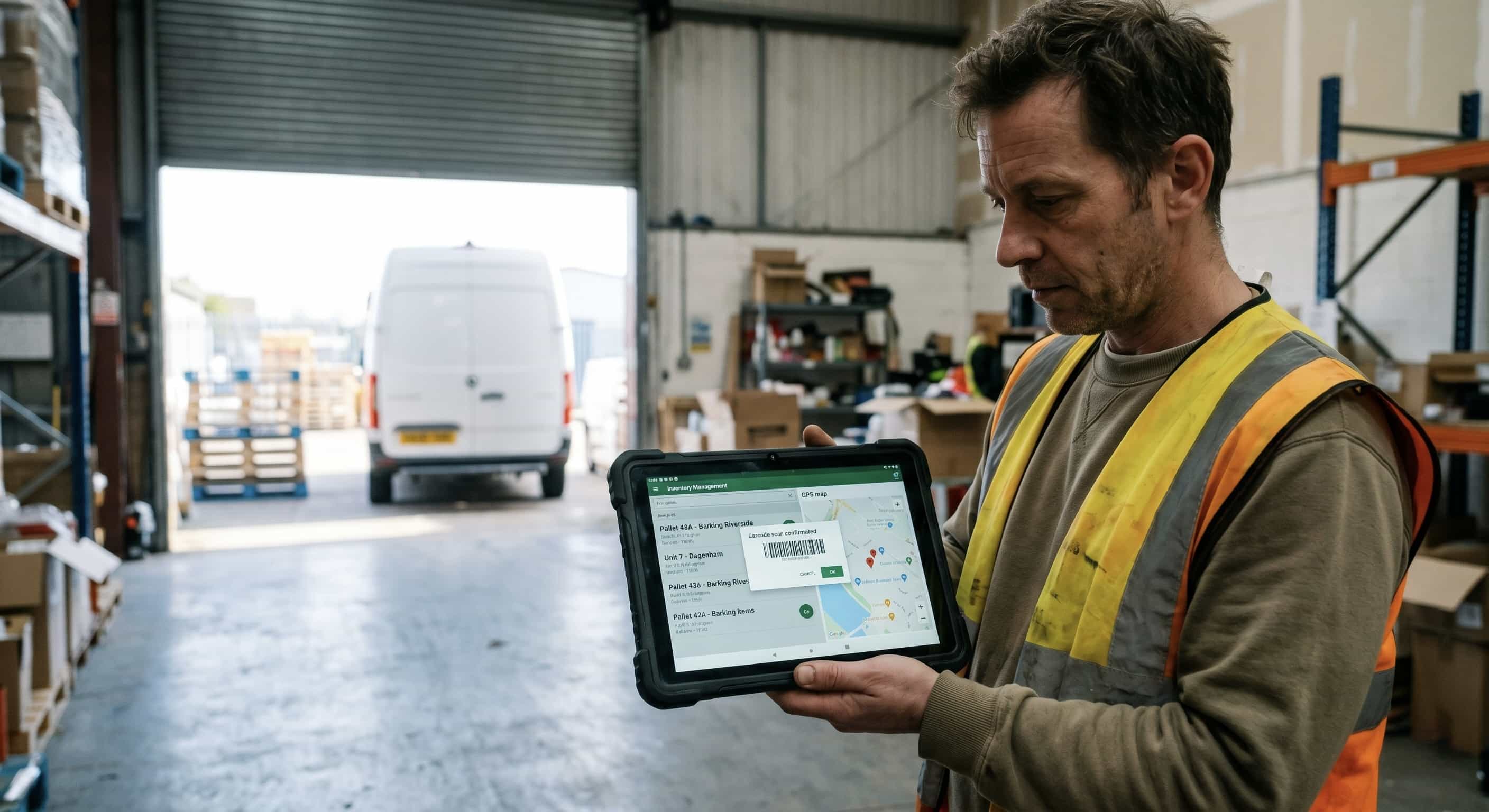
For service providers, construction firms, and retail brands in East London, local visibility has evolved past basic directory listings. Capturing local buying-intent traffic requires an interconnected digital engine.
A modern web presence is no longer a static digital brochure; it is a transactional platform. When integrated via custom Web Development, your website should feed data seamlessly into your CRM, your inventory systems, and your automated marketing pipelines.
[User Action on Website/App] ──> [Automated CRM Record Creation] ──> [Instant Team Notification & Follow-up]
For scaling retail, logistics, or consumer services, deploying a dedicated mobile application through targeted App Development creates direct, high-retention customer channels that bypass noisy search engine result pages entirely. When backed by localized Digital Marketing strategies, this ensures your brand remains dominant across East London search queries.
3. The Security & Compliance Shield
Cybersecurity threats targeting UK small businesses have risen sharply, with attackers increasingly focusing on identity theft and credential compromise rather than complex software exploits. At the same time, compliance pressures are trickling down from major enterprise clients to smaller regional suppliers.
The Supply-Chain Compliance Ripple Effect: In 2026, major UK enterprise clients, lenders, and public sector bodies are actively vetting the security and sustainability standards of their smaller partners. If your business cannot provide clear documentation of your data security posture and energy footprints, you risk losing lucrative B2B contracts to competitors who can.
A baseline 2026 security framework requires:
Identity Threat Detection & Response (ITDR): Moving beyond basic antivirus software to deep, conditional access policies that block unusual login attempts instantly.
Continuous Managed Monitoring: Real-time visibility over all endpoints, ensuring that remote or hybrid employees working from home across Barking or Dagenham do not inadvertently expose your core database to unauthorized access.
Immutable Backups: Cloud-hosted backup routines that undergo regular testing, ensuring your operational data can be recovered within minutes if an incident occurs.
Implementing these practices via proactive Cyber Security services changes your security posture from a reactive emergency cost into an active competitive advantage when bidding for new commercial contracts.

Visualizing a Consolidated Tech Stack
To see how these moving parts fit together, look at the cloud analytics architecture below. An optimized tech stack routes multi-channel operational data, security logs, and financial feeds into a single pane of glass, removing the need for manual data manipulation.
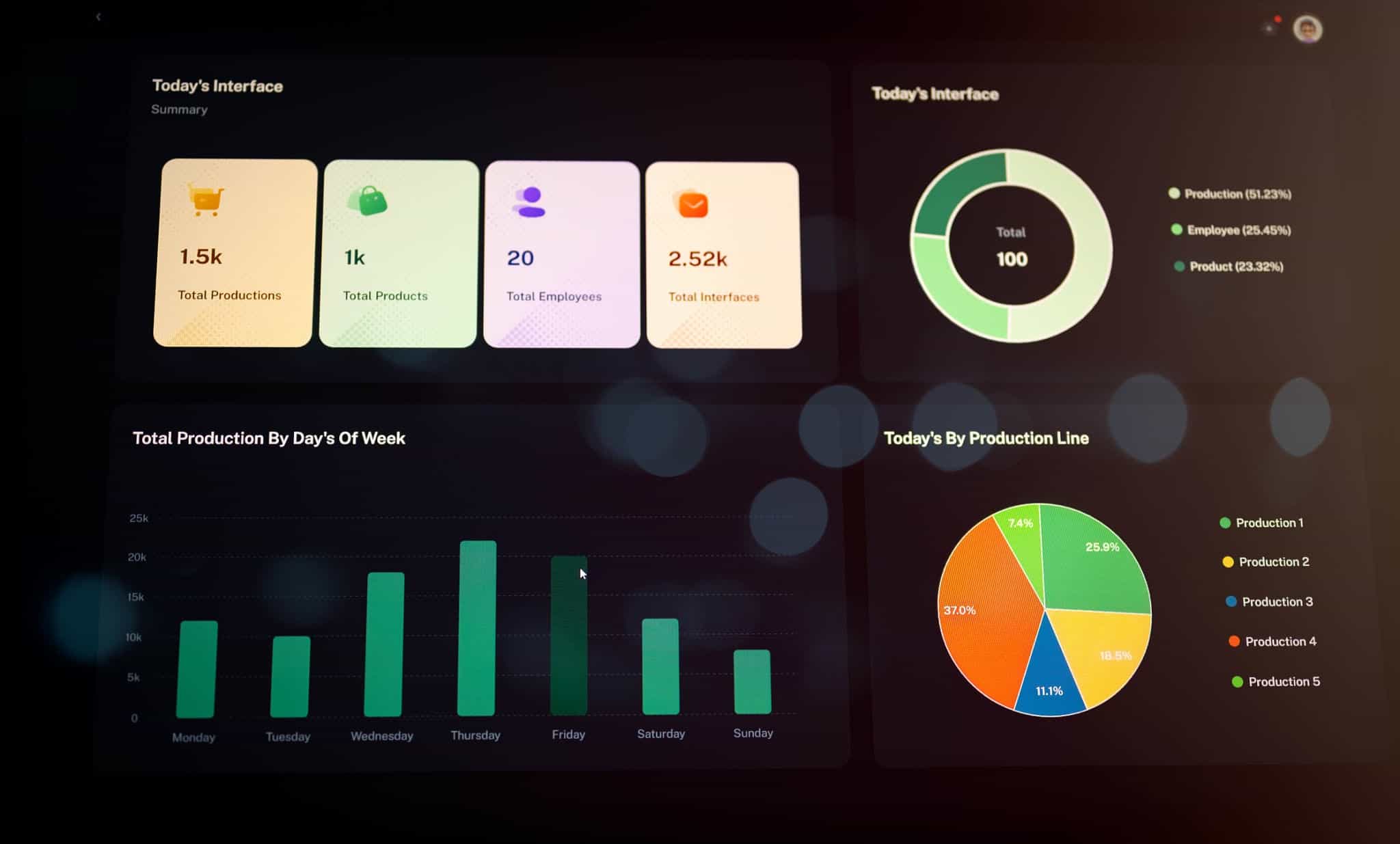
When reviewing this style of dashboard interface, notice how operational data is consolidated. Instead of checking four different tools to confirm invoice statuses, digital marketing performance, or security event logs, a unified cloud strategy gives leadership teams the visibility required to make rapid, accurate decisions.
Downloable Resource: Get the Full 2026 Framework
Navigating software vendors, hardware lifecycles, and compliance frameworks while running daily operations is a significant challenge for any business owner.
To help you audit your current infrastructure, we have developed The Complete 2026 Tech Stack Guide for East London SMEs.
This comprehensive downloadable resource includes:
A step-by-step audit checklist to identify systems causing operational drag.
A localized compliance roadmap detailing UK data protections and supply chain requirements.
A clear investment matrix showing how to structure your technology budget to protect margins.
Practical strategies to safely prepare your company data for automated and AI-driven workflows.
Frequently Asked Questions
What are the signs that our current tech stack is slowing down business growth?
If your employees are manually copying data from one software application to another, if your teams experience frequent software downtime, or if your leadership lacks real-time visibility into your operational margins, your technology infrastructure is creating operational drag. Outdated technology actively limits your ability to scale output without linearly increasing your headcount.
We only have 15 employees. Do we really need a formalized IT strategy?
Yes. Smaller teams often have the most to gain from optimized infrastructure because they operate with limited internal resources. Automating repetitive workflows and ensuring secure, cloud-based remote access allows a smaller headcount to compete effectively against larger organizations.
How do local infrastructure upgrades help us secure larger corporate clients in the UK?
Large enterprise companies and public procurement teams must verify that their suppliers do not create cyber vulnerabilities or regulatory non-compliance within their supply chains. Having a professionally audited, secure cloud infrastructure allows you to confidently pass their security and compliance questionnaires.
What is the first step to modernizing our business technology?
The first step is a comprehensive technology audit. Before purchasing new software or migrating infrastructure, you must thoroughly map out your existing software dependencies, hardware conditions, data locations, and workflow bottlenecks. This guarantees that any changes you make align precisely with your broader business growth objectives.